
Innovating Learning and Transit: AI in Education and Transportation
Two Pillars of AI Disruption
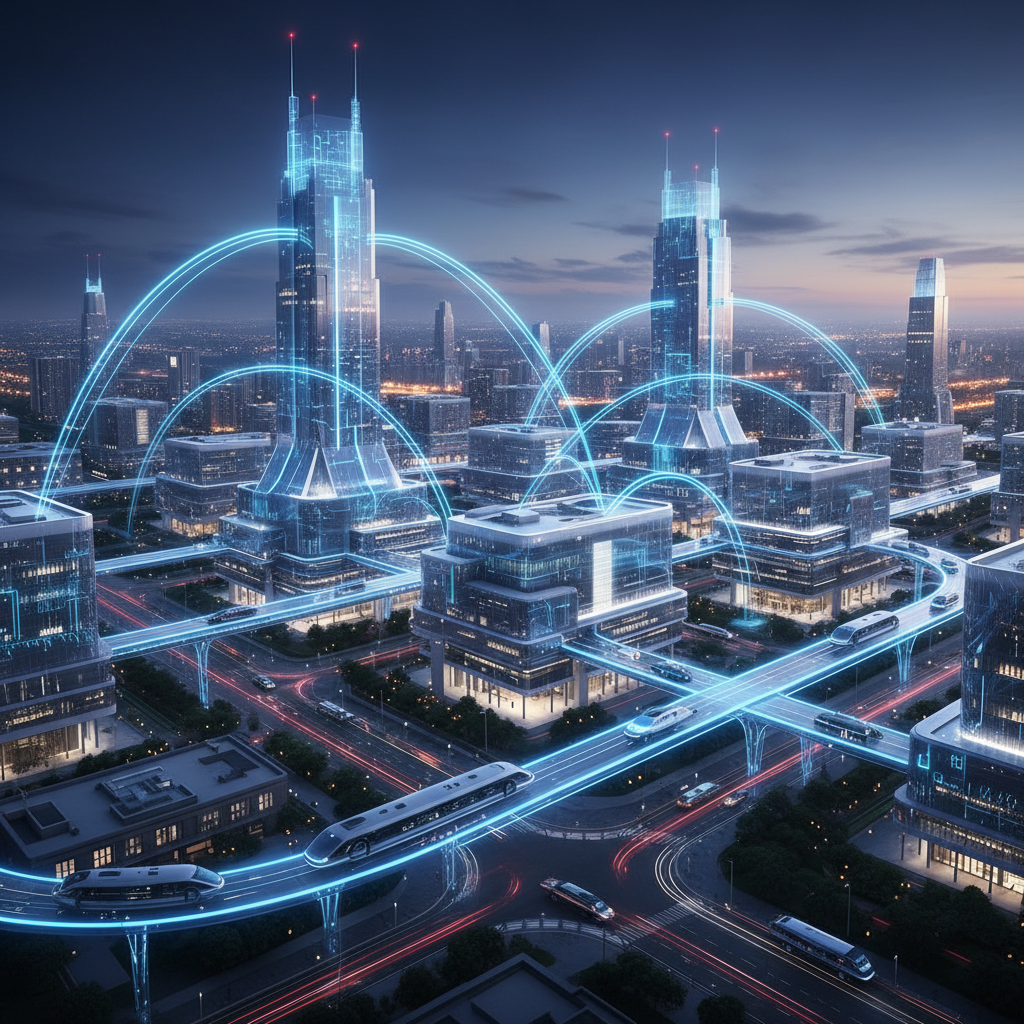
Education and Transportation represent two of the most critical sectors for societal development. AI is not merely optimizing existing processes in these fields; it is fundamentally reimagining them. From adaptive algorithms that personalize human learning to computer vision systems that navigate complex physical environments, the integration of AI promises unprecedented efficiency, safety, and accessibility.
Personalized Learning
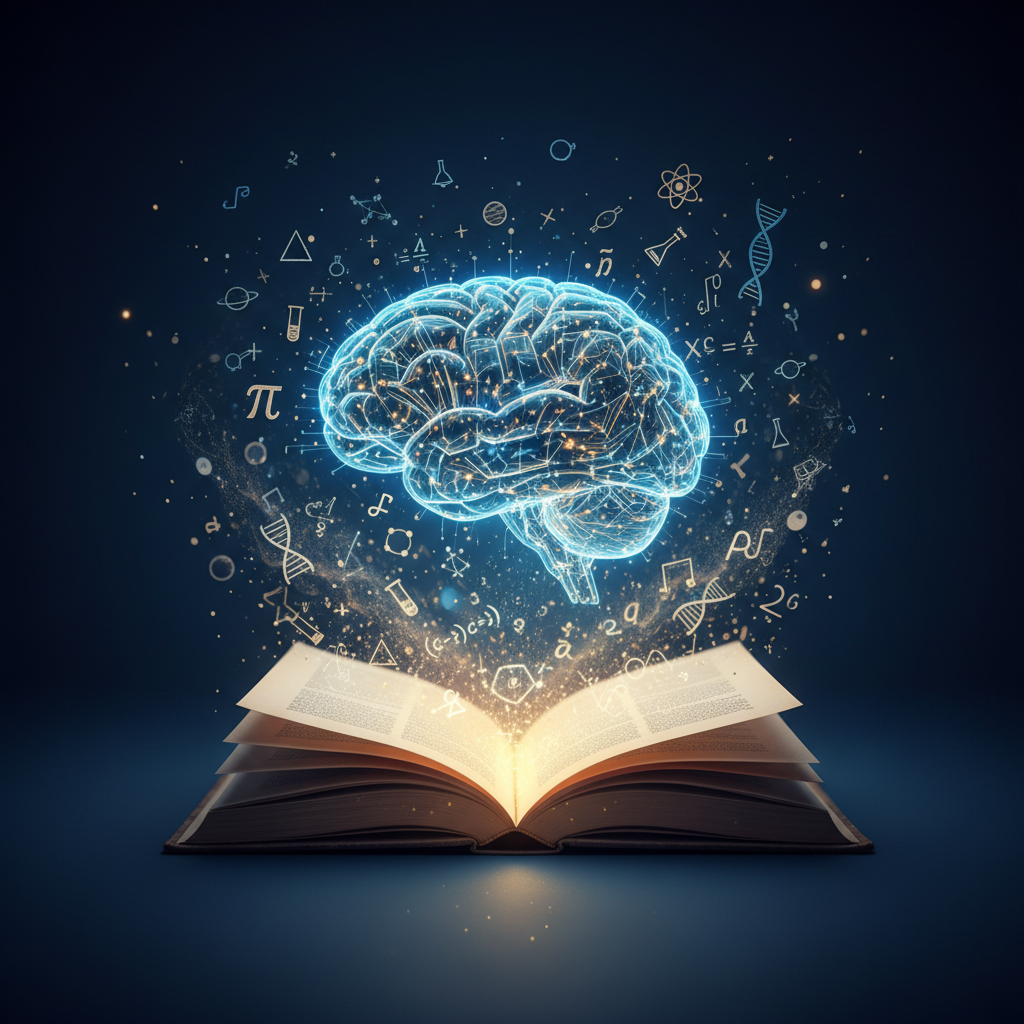
The 'one-size-fits-all' model of education is becoming obsolete. AI-driven platforms analyze individual student performance, learning speeds, and knowledge gaps in real-time. This allows systems to tailor curriculum specifically to the user, ensuring that struggling students get extra support while advanced learners are kept challenged.
Intelligent Tutoring Systems (ITS)
- Instant Feedback: AI provides immediate corrections and explanations, reducing frustration.
- 24/7 Availability: Students can access high-quality tutoring help outside of classroom hours.
- Teacher Support: Automates grading and administrative tasks, freeing teachers to focus on mentorship.
- Accessibility: Text-to-speech and NLP help students with disabilities engage with content.
Market Growth: AI in Education
The adoption of AI in the educational sector is accelerating rapidly. The chart below illustrates the projected global market size, highlighting a massive shift towards digital, AI-enhanced learning environments over the current decade.
Transitioning to Transportation
Autonomous Mobility
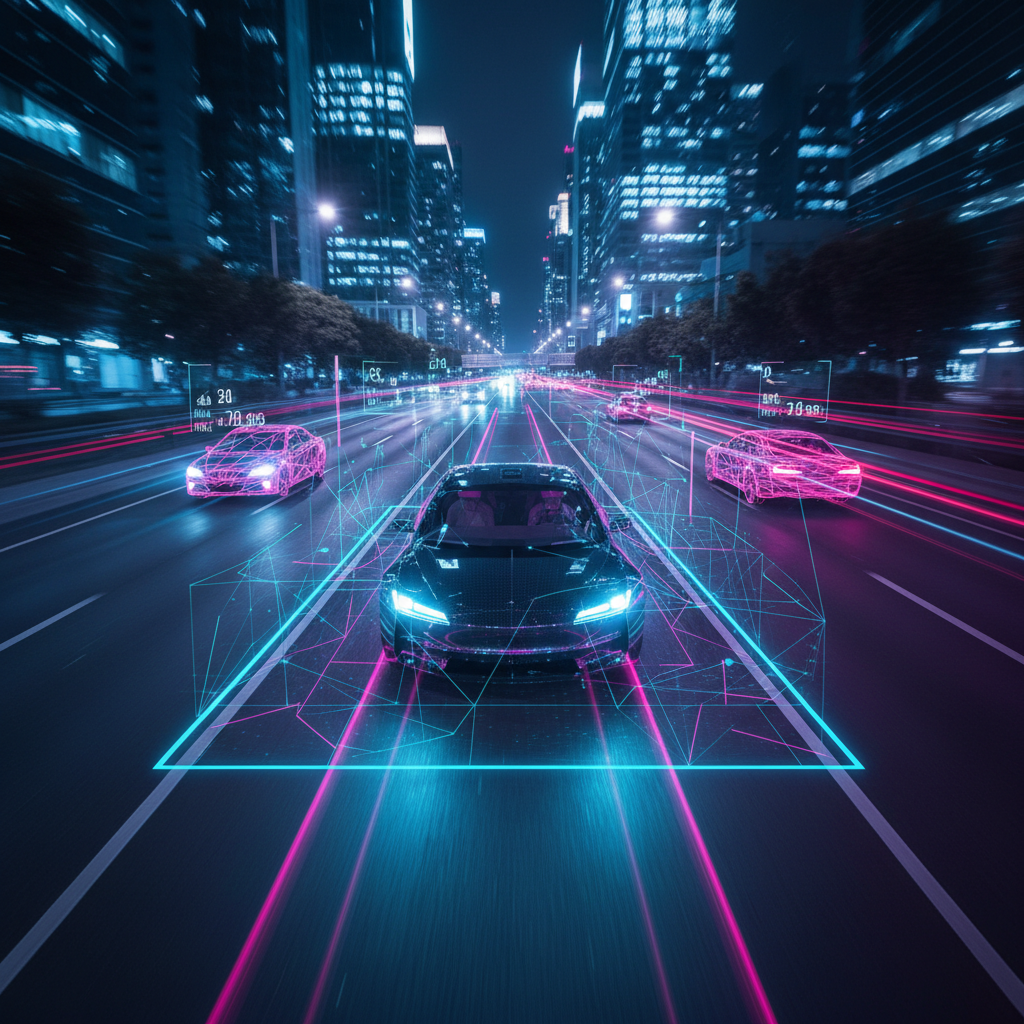
Self-driving vehicles utilize sensor fusion (LiDAR, Radar, Cameras) and deep learning to interpret the world. Beyond convenience, the primary goal is safety: 94% of serious crashes are due to human error. AI systems don't get tired, distracted, or intoxicated.
Logistics & Traffic Management
Route Optimization: AI analyzes traffic patterns to route delivery fleets efficiently, saving fuel and time.
Smart Infrastructure: Traffic lights that adapt green-light duration based on real-time car density.
Predictive Maintenance: Public trains and buses use sensors to predict failures before they happen.
Safety Impact: Autonomous Vectors
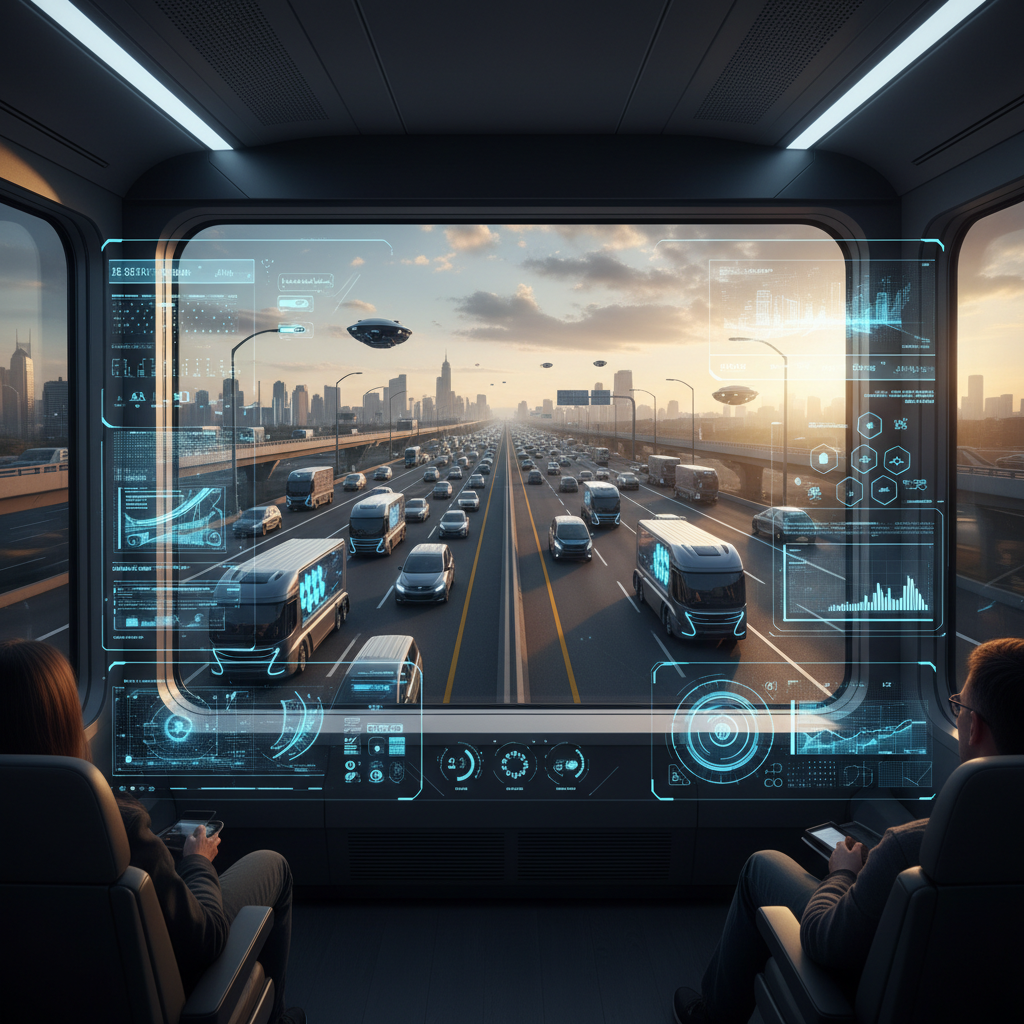
As vehicle automation levels increase (Level 2 to Level 5), the frequency of accidents is projected to drop significantly. This chart illustrates the forecasted reduction in traffic incidents per 100,000 miles as autonomous technology matures.
We are moving from a world where we adapted to technology, to a world where technology adapts to us.
Future Technology Insight
Ethical Considerations
Data Privacy: Data Privacy: Ensuring student learning data and commuter location history remain secure.
Bias: Algorithmic Bias: Preventing AI from reinforcing socioeconomic inequalities in education or transit access.
Jobs: Job Displacement: Addressing workforce shifts for truck drivers and administrative staff through retraining.