
Decoding QR Codes: How They Work and Why They Matter
What Is a QR Code?
- ✦ QR stands for 'Quick Response'.
- ✦ It is a two-dimensional matrix barcode capable of storing large amounts of data.
- ✦ Stores digital info like URLs, contact specifics, geolocation, or payment tokens.

The Anatomy of a QR Code
1. Finder Patterns
Finder Patterns: The three large squares in the corners tell the scanner the orientation.
2. Alignment Patterns
Alignment Patterns: Smaller squares that help correct for distortion if scanned at an angle.
3. Quiet Zone
Quiet Zone: The necessary white border around the code that separates it from surroundings.
4. Data Region
Data & Error Correction: The remaining pixels contain the actual data and redundancy info.
How Scanning Works
Important History
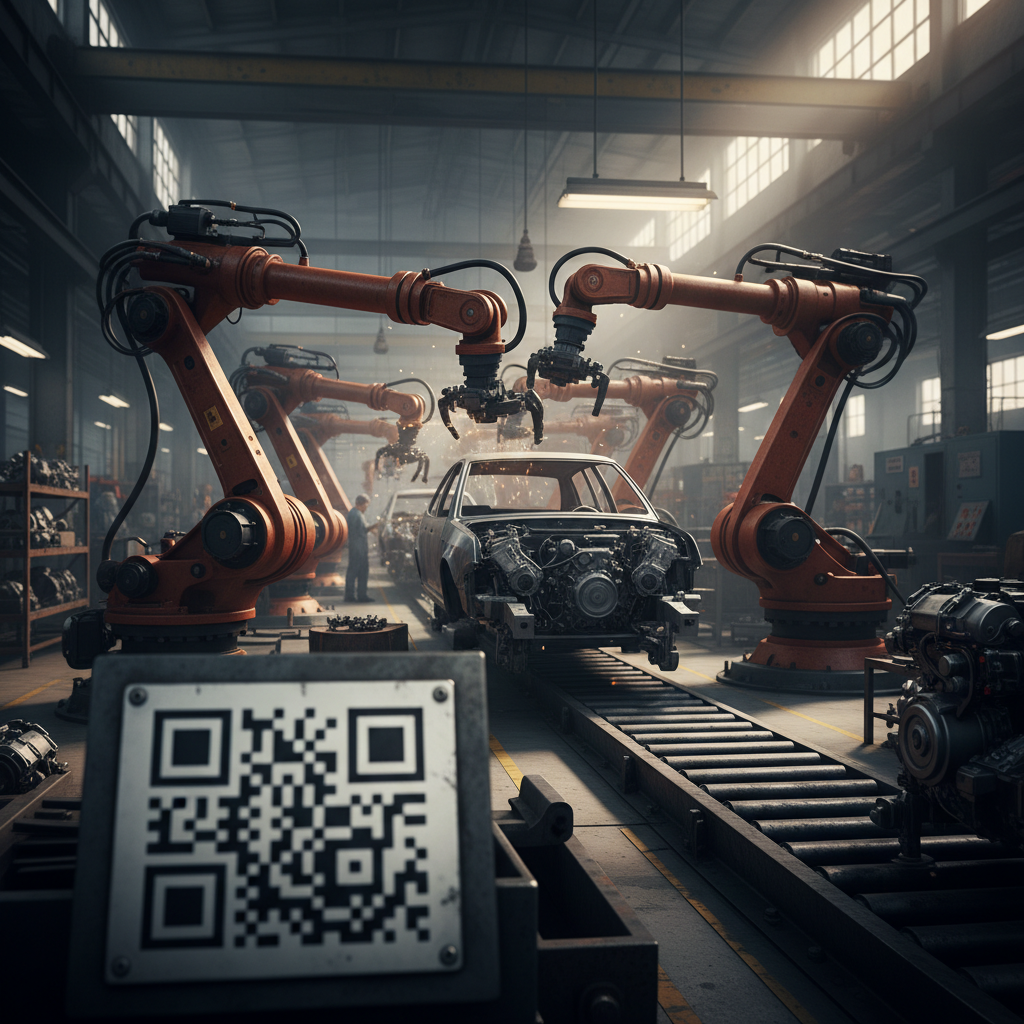
In 1994, Masahiro Hara of Denso Wave (Japan) invented the QR code. Standard barcodes held too little data and had to be scanned at a specific angle. The QR code was created to track vehicle parts during manufacturing, allowing for high-speed component scanning.
Data Capacity: QR vs Traditional Barcode
One of the main reasons QR codes replaced traditional barcodes in many fields is capacity. A standard 1D barcode stores about 20 digits. A QR code can store over 7,000.
Why QR Codes Matter
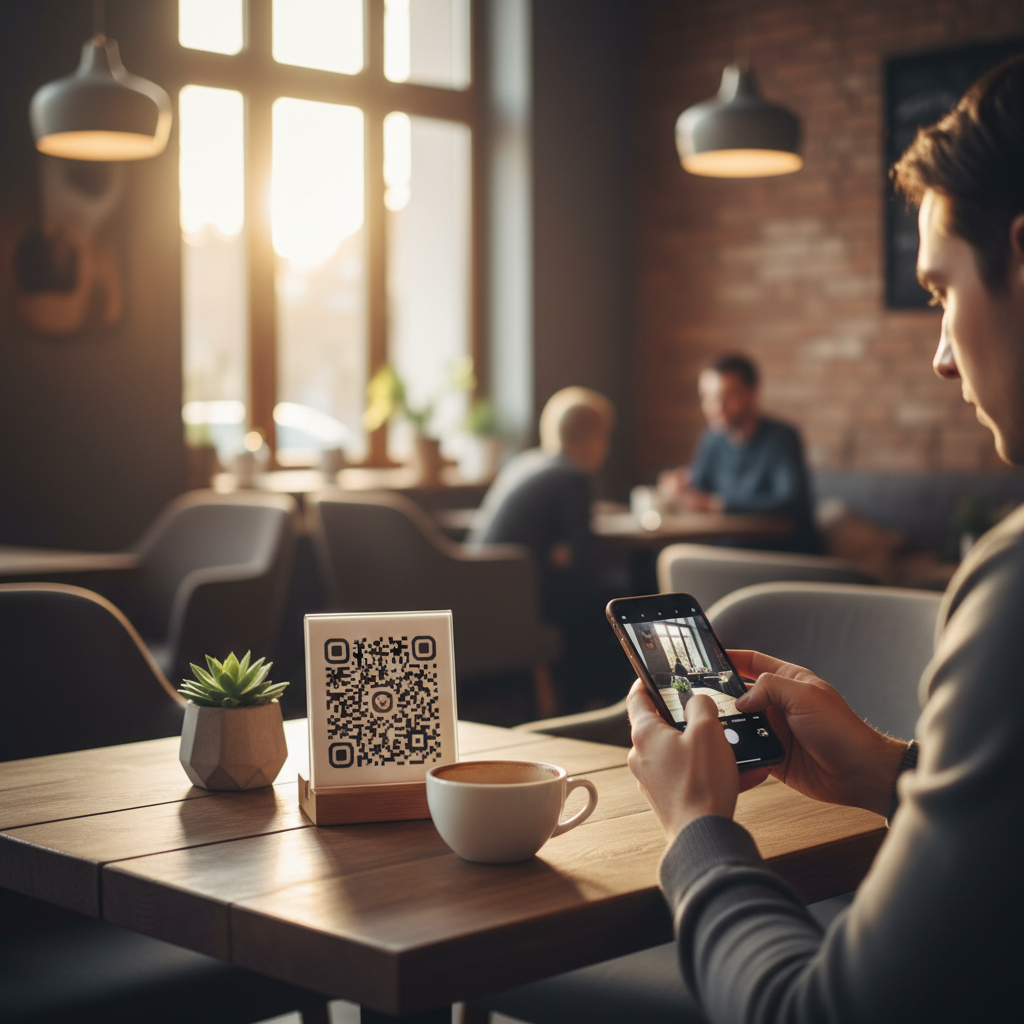
Immediate Access: No need to type long URLs manually.
Contactless Interaction: Crucial for hygiene and safety (e.g., during pandemics).
Universal: Simple to use for people of all ages with almost any smartphone.
Ubiquitous: Integrated into daily life, from grocery stores to museums.
Common Uses Today
- Mobile Payments & Banking
- Digital Restaurant Menus
- Boarding Passes & Event Tickets
- Product Packaging (Nutritional Info)
Benefits vs. Limitations
✅ The Benefits
• Saves significant time • Eliminates typing errors • Cost-effective technology • High data density in small space
⚠️ The Limitations
• Requires a smartphone/camera • usually needs internet access • Potential for malicious links (Phishing) • Physical damage can unreadable code
Interactive Activity
Take a moment to scan a QR code near you or think about where you last saw one. How could you use this technology to improve something you do every day?
Conclusion
QR codes are simple yet powerful. They bridge the physical and digital worlds instantly, making information accessible to everyone, everywhere.