
Smart Street Lighting: Automated LED System with IR Sensors and Switch Control

What is an Automated Street Light?
An automated street light system intelligently controls the lighting of street lamps based on vehicle or obstacle presence. Unlike traditional manufacturing that keeps lights on all night, this system activates only when necessary. By using Infrared (IR) technology, we create a circuit that responds to motion without needing complex coding or microcontrollers like Arduino.
Hardware Components Required
- IR Sensor Module (Proximity Sensor)
- 9V Battery & Battery Clip
- LED Wires / LED Strip Lights
- Transistor (BC547) - Used as a switch
- SPST Switch (Single Pole Single Throw)
- Jumper Wires & Breadboard (optional)
Understanding the IR Sensor
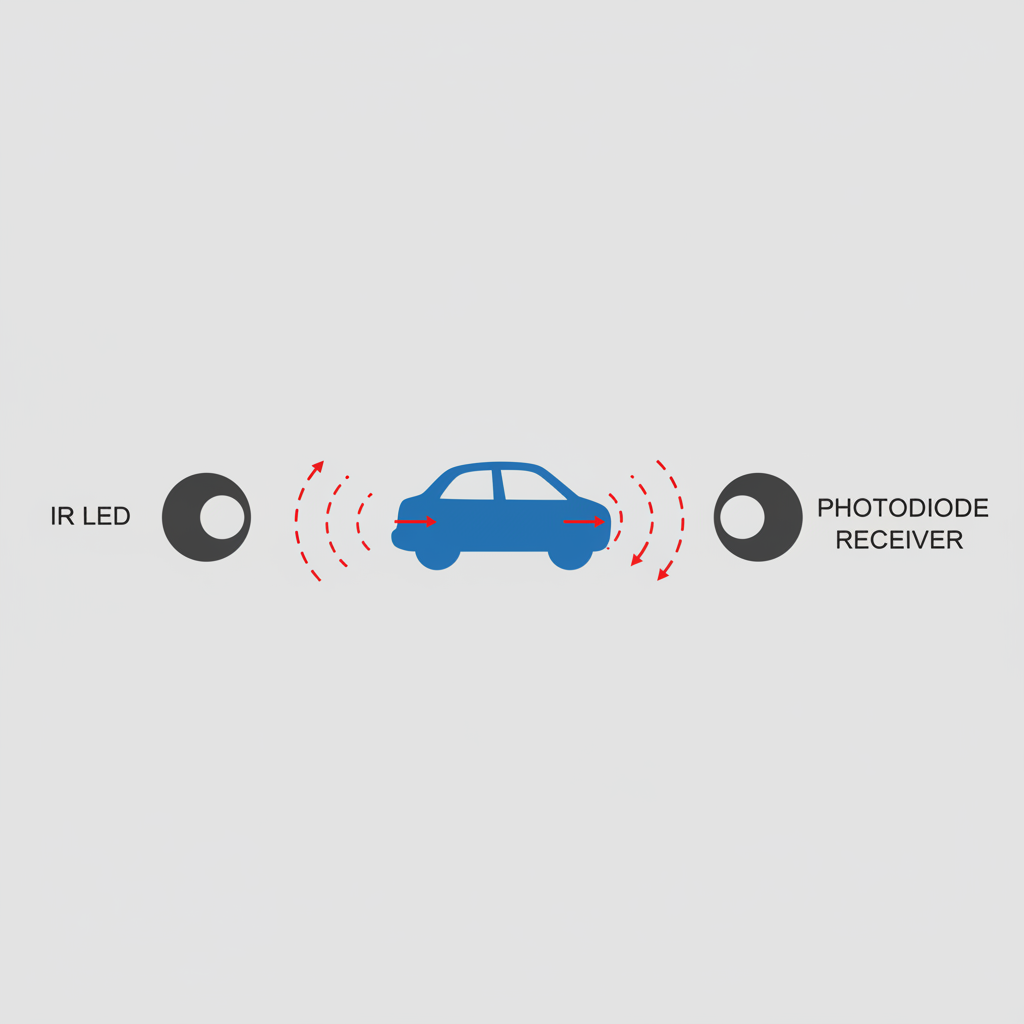
The core of this project is the IR Module. It consists of an IR Transmitter (IR LED) that emits light and an IR Receiver (Photodiode). When a vehicle passes, the IR light reflects off the vehicle's surface and hits the receiver. This change in voltage is detected by the module's comparator, sending a 'LOW' or 'HIGH' signal to the output pin.
Potential Energy Savings
Simple Circuit Logic
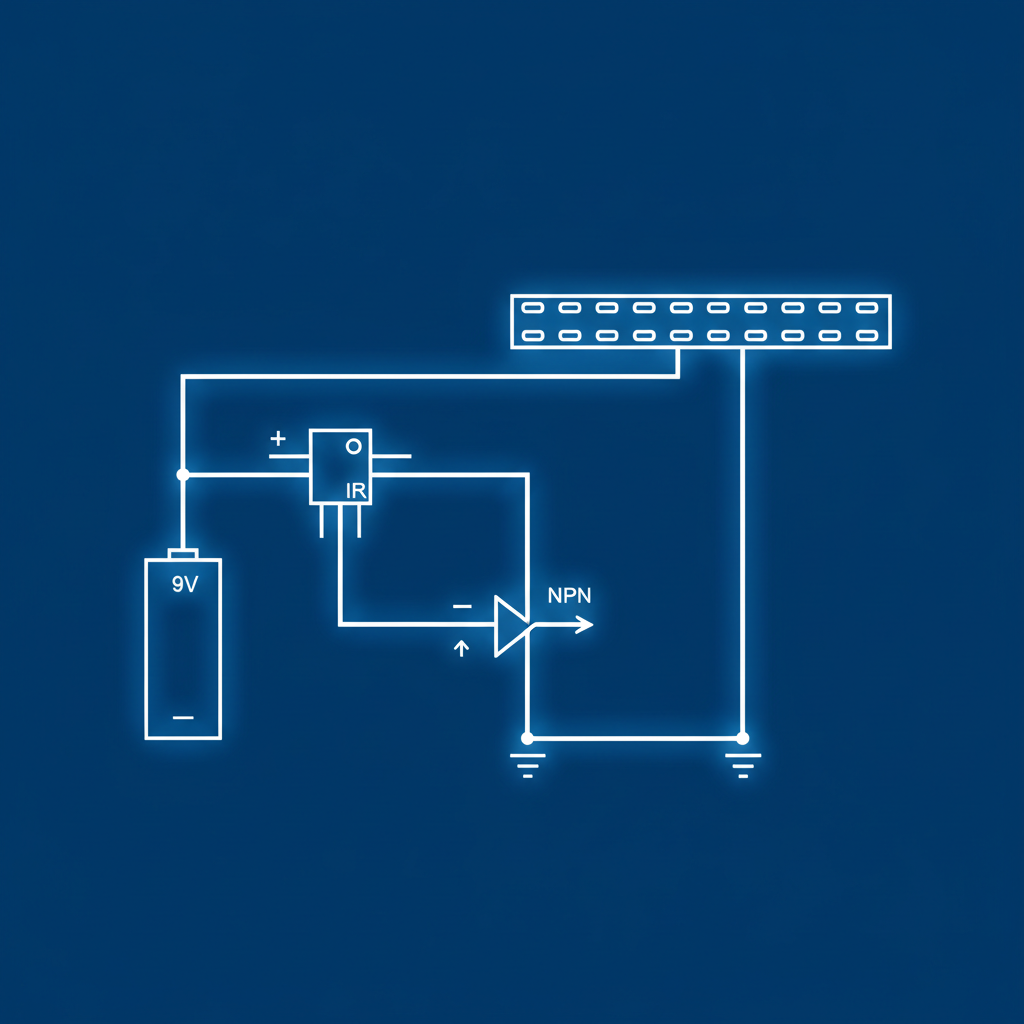
Since we are not using an Arduino, the logic is purely analog. We connect the Output pin of the IR Sensor to the Base of a BC547 Transistor. The Transistor acts as an electronic switch. When the IR sensor detects motion, it sends a signal to the transistor base, which completes the circuit for the LED wires connected to the 9V battery.
Step-by-Step Connection
1. Connect the VCC of the IR Sensor to the Positive terminal of the 9V Battery.
2. Connect the GND of the IR Sensor to the Negative terminal of the Battery.
3. Connect the OUT pin of the IR Sensor to the Base pin of the BC547 Transistor.
4. Connect the LED Negative to the Collector of the Transistor.
5. Connect the LED Positive directly to the Battery Positive.
Real World Applications
This automated system is ideal for highways, remote roads, and parking garages where continuous lighting is wasteful. In a real-world scenario, a series of these sensors would be placed along the road. As a car approaches, the lights immediately ahead turn on, and those behind turn off, creating a 'wave' of light that follows the vehicle.
Future Enhancements
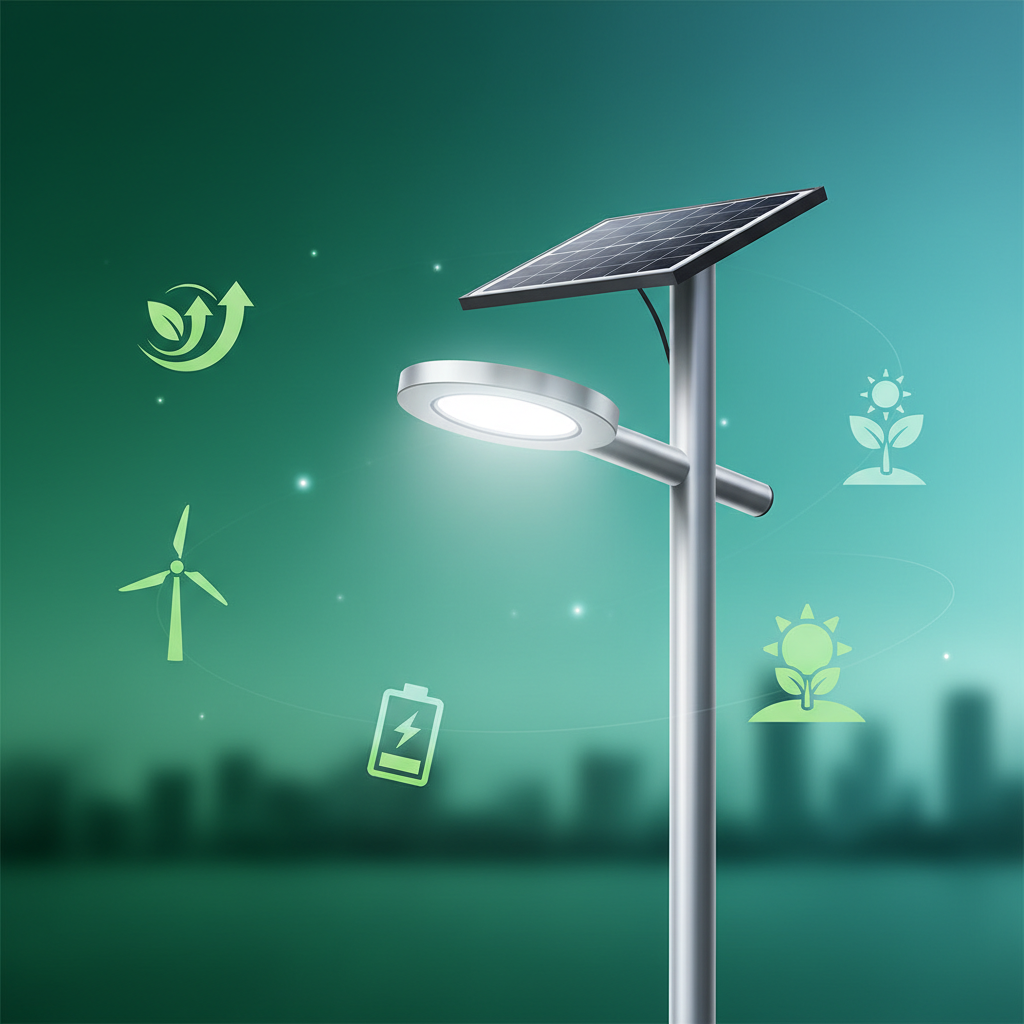
While the current model detects motion, future iterations can include LDR (Light Dependent Resistors) to ensure lights only work at night. Additionally, integrating solar panels would make the system completely self-sustaining, charging the 9V battery during the day to power the LEDs at night.
Thank You
Project: Automated Street Light | Sensor Based Control